Balance and Beauty
One of the most rewarding challenges in interior design is updating a kitchen in a Georgian property. These homes, renowned for their elegance, symmetry, and classical proportions, often feature architectural details such as high ceilings, sash windows, and intricate mouldings. Introducing Georgian kitchen design into such a historically rich space requires sensitivity, creativity, and a deep respect for the building’s heritage.
Understanding the Framework
Georgian homes typically date from 1714 to 1830 and are celebrated for their symmetry and grandeur. Kitchens in these homes were originally located in basements or rear wings, away from the formal entertaining spaces. Today, modern living sees the kitchen as the heart of the home. Reworking the layout to bring the kitchen into a more prominent position can significantly enhance daily life.
Preserving Period Features
Before beginning any renovation, it’s important to identify and preserve key architectural features. Cornices, ceiling roses, fireplaces, and original woodwork contribute to the authenticity of the space. These elements can coexist beautifully with modern additions if thoughtfully considered. For instance, custom cabinetry can be designed to sit below original cornices, or island units can be placed to maintain views of original fireplaces.
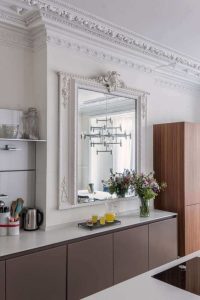
Whilst the fire surround is no longer existing the chimney breast has been recognised with the placement of a classic overmantel style mirror. Cornicing is retained and creates balance against the contemporary cabinetry.
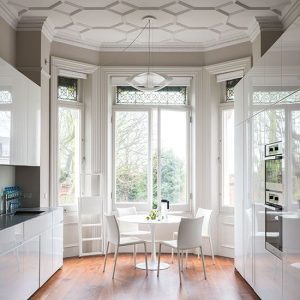
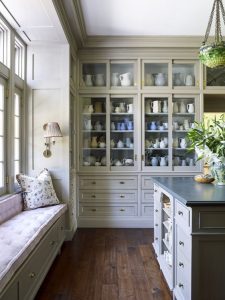
High ceilings and floor to ceiling windows provide the prefect setting for a circular table and chairs in this Georgian kitchen. Working with the scale and size of the windows a built-in banquette has been created that perfectly complements the space, providing both form and function
Choosing the Right Materials
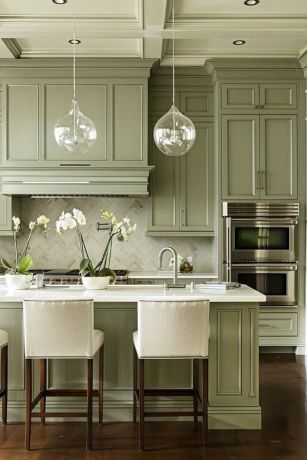
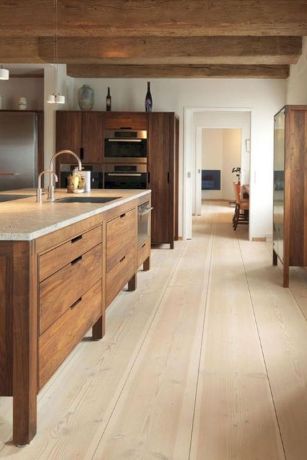
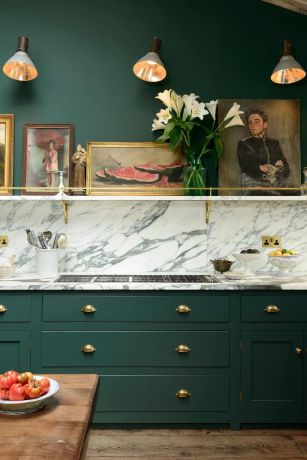
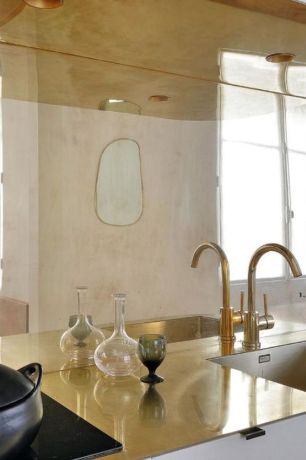
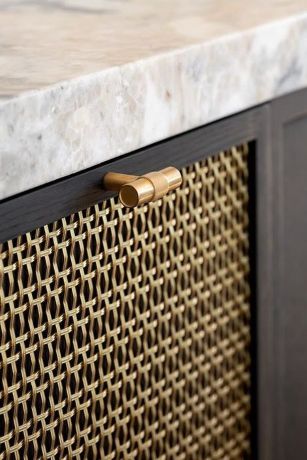
Materials should honour the home’s character while offering durability and function. Natural materials like marble, limestone, and wood age gracefully and sit harmoniously in Georgian settings. Painted cabinetry in historically accurate colours — soft greys, sage greens, or deep navy — can provide a modern touch while echoing traditional palettes. Aged brass or antique bronze fittings also blend beautifully with the patina of a Georgian kitchen interior.
Lighting and Layout
Kitchens in Georgian homes may be limited by structural walls, so intelligent planning is key. If open-plan isn’t possible, consider glazed partitions to maintain light flow while delineating spaces. Pendant lighting can highlight kitchen islands, while under-cabinet lighting adds practicality without overwhelming the aesthetic.
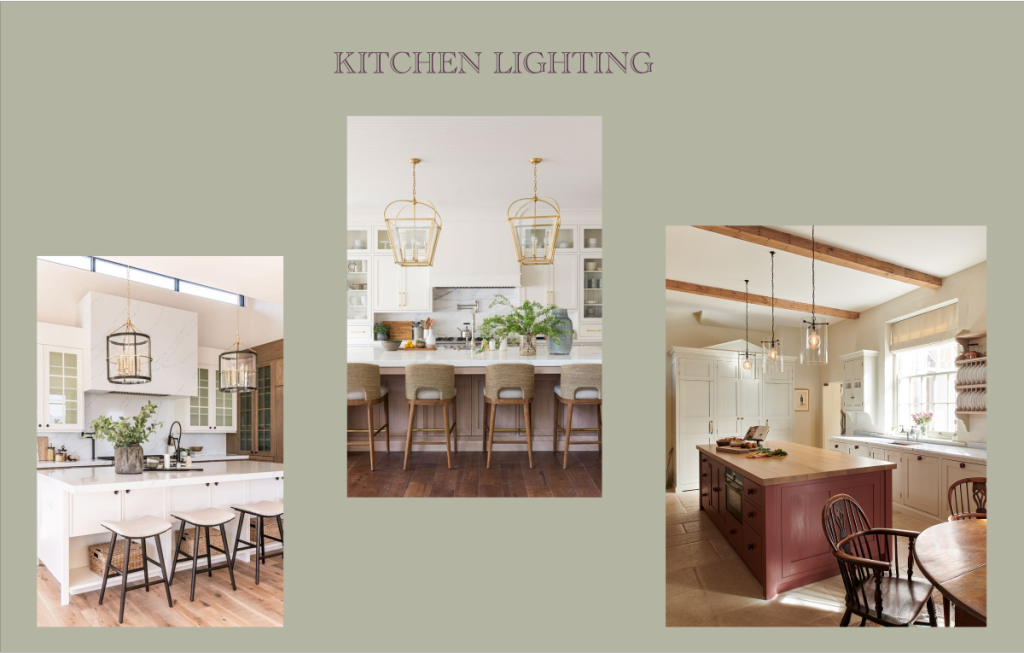
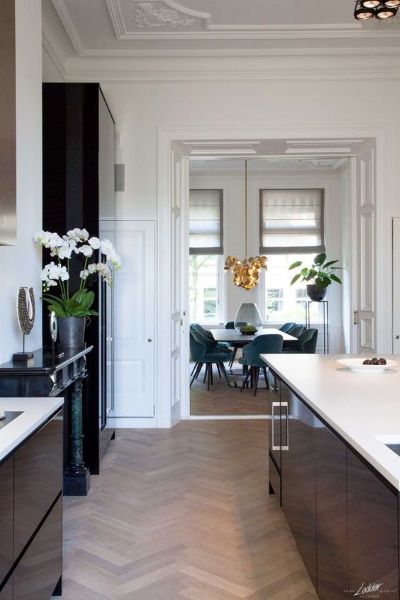
Statement island lighting has become a popular way of achieving beautiful aesthetics as well as function, particularly helpful when working with high ceilings
Blending Old and New
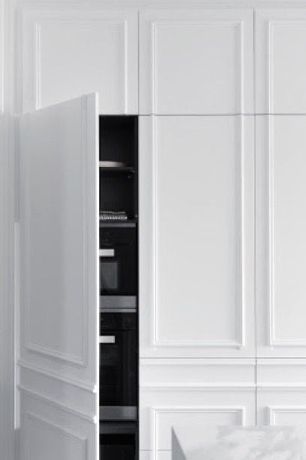
The most successful Georgian kitchen renovations embrace contrast. Pair sleek, handleless cabinetry with an original stone floor, or integrate cutting-edge appliances behind classic panelled doors. A modern extractor fan can be concealed within a traditional-style mantel, preserving visual harmony. Ultimately a great kitchen design is all about the detail.
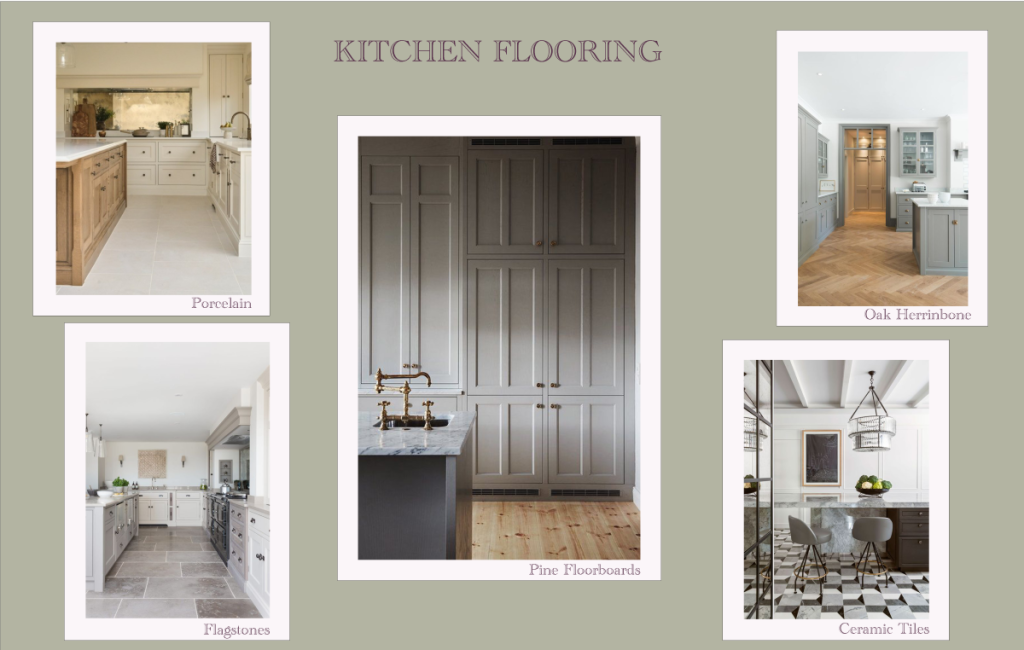
There are so many options for Georgian kitchen design flooring but here are the five we consider to be the most appropriate for a kitchen in a Georgian property.
Conclusion
Georgian kitchen design is a delicate balancing act. By respecting the property’s architectural integrity while introducing contemporary function and comfort, you can craft a kitchen that feels both timeless and tailored to modern life. The result is a space that celebrates the best of both worlds — a marriage of history and innovation that enhances the home for generations to come.